
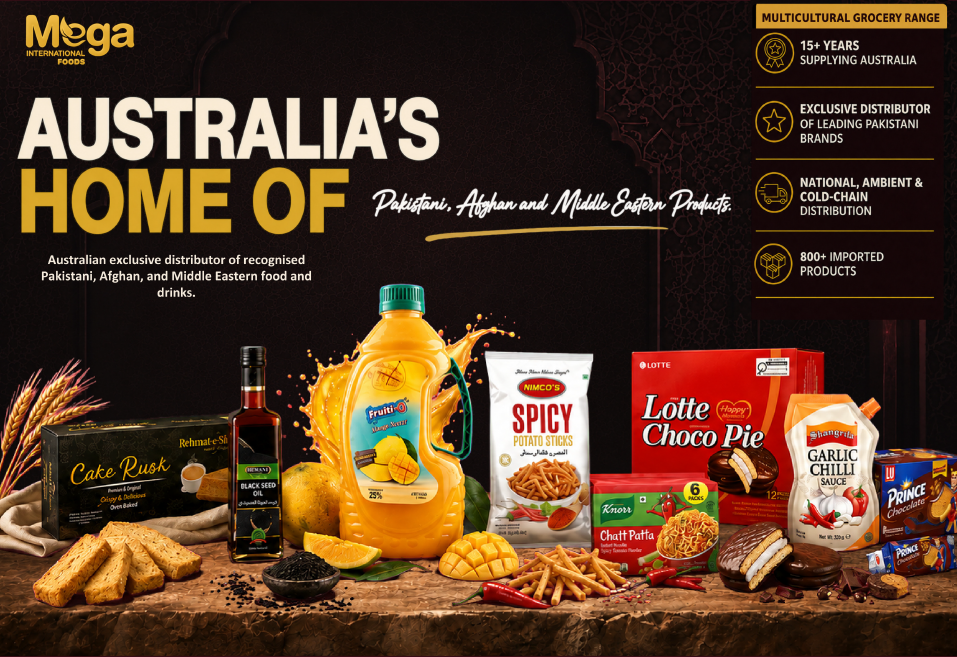
A 1942 Pasta Maker, a 1949 Herbal Shop, and a Warehouse in Truganina
A Karachi pasta maker founded in 1942. A herbal shop opened in Jodia Bazaar in 1949. A spice company that has been certified to supply McCormick since 1988. All of them now run through one warehouse in Melbourne's west, and all of them are heading for the main grocery aisle.

Supermarket Trade Terms Explained: A Plain-English Guide for Australian Suppliers
A plain-English guide to the trading terms, rebates and fees Australian supermarkets negotiate with suppliers, and what they mean for your margin.

How to Get Your Product Into Coles and Woolworths: The Complete Guide for Australian Brands
Getting your product into Coles or Woolworths takes more than a great product. It takes commercial readiness. This guide covers what buyers actually evaluate, how the ranging process works step by step, and the five things that kill most applications before they reach a decision.

Entering the Australian Retail Market: A Guide for International Brands
Australian retail is not a simple extension of the UK, US or European market. Here is what you need to know before approaching Coles, Woolworths, Chemist Warehouse or Priceline.
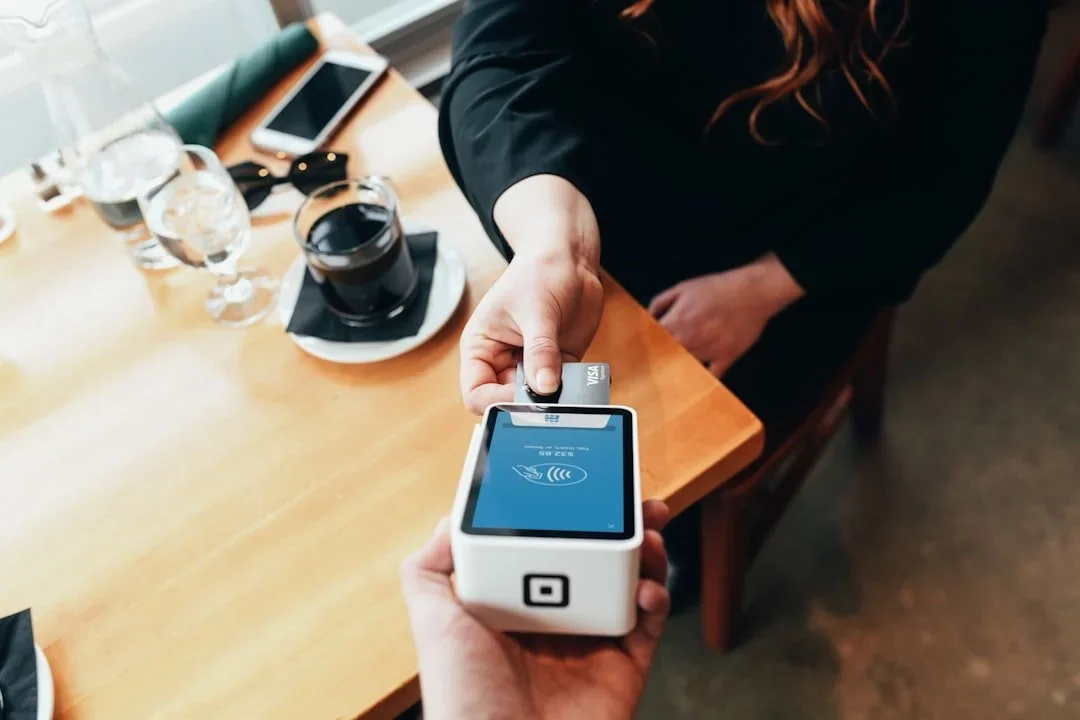
DTC to Major Retail: How to Know When Your Brand is Ready to Scale
Transitioning from a nimble Direct-to-Consumer (DTC) model to the high-stakes environment of major Australian retailers like Coles, Woolworths, or Chemist Warehouse is the ultimate growth lever. However, the "shelf-ready" threshold is higher than most founders realize. This article breaks down the commercial realities of retail scaling, from margin protection and omnichannel supply chain integration to the rigorous "range review" criteria used by category managers. Learn the five non-negotiable signals that prove your brand is ready to move from Instagram feeds to national aisles.

How to Pitch to Retail Buyers: 10 Insider Secrets from Former Category Managers
The Death of the "Product-First" Pitch
In the high-stakes corridors of Australian retail (where shelf space at Coles, Woolworths, or Kmart is measured in basis points rather than centimeters), the most common mistake suppliers make is leading with their product.
To a Senior Category Manager (CM), your product is not a "revolutionary innovation" or a "passion project." It is a financial instrument. Their mandate is a clinical pursuit of the Profitability vs. Volume Paradox: driving top-line sales without eroding the bottom line.
One of the most effective ways to break a negotiation deadlock (particularly against aggressive international competition), is to pivot from price to channel exclusivity. We’ve seen this strategy transform a stalling negotiation with a global tech giant into a landmark win. By securing exclusivity within a specific channel, the retailer moved away from the "race to the bottom" on price matching. The result? A 5% Year-on-Year increase in profitability and a significant boost in sales volume.
To win in this environment, you must stop pitching a SKU and start pitching a Category Moat. You aren't just selling an item; you are selling a strategy to de-risk the retailer’s portfolio and capture a "white space" your competitors haven't even seen yet.
The Insider Secret: If your pitch doesn’t solve a CM’s specific Year-on-Year KPI hurdle, you aren't a partner, you’re just another line item waiting to be deleted.