
TGA Compliance Is Now a Retail Ranging Filter
Most founders read TGA news as a legal problem, something for their regulatory affairs person to sort out later. Pharmacy and health retail buyers read it differently. A brand that can't demonstrate clean compliance against the TGA's current enforcement priorities is a brand carrying risk onto a buyer's shelf. And buyers price that risk by simply not ranging you.
The TGA released its Compliance Principles for 2026 and 2027 earlier this year. Two of the twelve priority focus areas sit directly inside categories MVRA works in every week: listed medicine advertising, and sunscreen. If you sell supplements, vitamins, skincare or suncare in Australia, this isn't background noise. It's now part of how a buyer evaluates whether your brand is safe to put on their shelf.
Victor spent years on the retail side of pharmacy and grocery, and the pattern holds across both channels. Buyers don't read regulatory updates out of interest. They read them to work out which suppliers just became a liability.
Here's what most founders get wrong. They treat compliance as a cost of doing business, something to tidy up once a product is already selling. Buyers treat it as a gate. If your claims, labelling or advertising sit anywhere near the TGA's current focus areas and you can't show a clean position, you don't get a "let's fix it and revisit" conversation. You get quietly deprioritised in favour of the supplier who already has their house in order.
Pharmacy, not grocery, is where this bites hardest. Roy Morgan research shows the vitamins, minerals and supplements buying base has grown to 8.24 million Australians aged 14 and over in an average six months, up from 7.95 million four years earlier. Historically, around two thirds of that spend has run through pharmacies rather than supermarkets. That's the channel most supplement founders are actually operating in, whether or not it's the one they had in mind when they started the business.
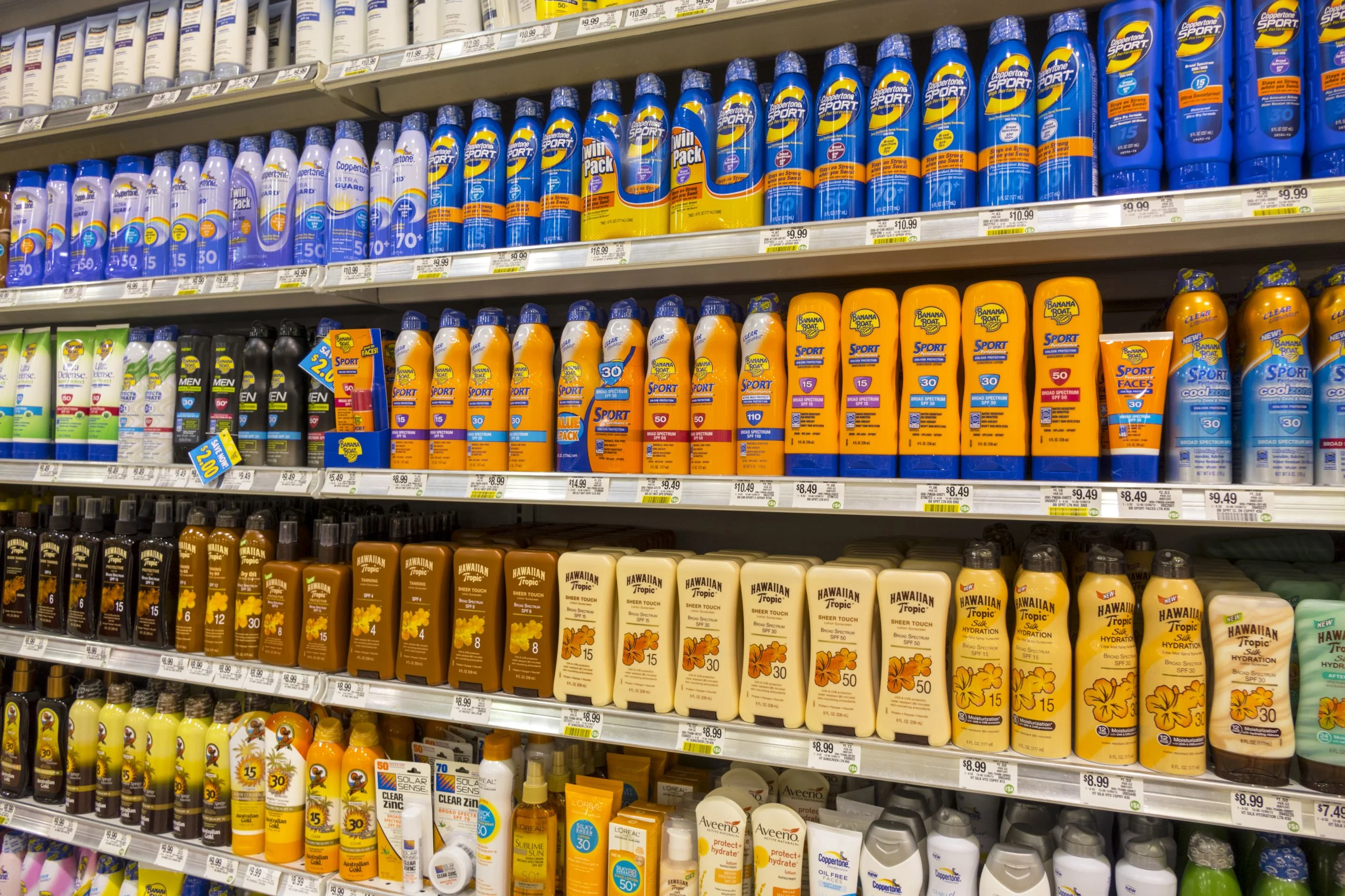
It also means pharmacy buyers, not grocery category managers, are applying the sharpest compliance scrutiny right now. A Coles or Woolworths buyer cares about compliance too, but a Chemist Warehouse, Priceline or independent pharmacy buyer sits inside a regulatory environment where advertising missteps carry direct professional consequences for the pharmacy itself. That changes how carefully they check you before they range you. The same logic applies to skincare and suncare brands eyeing department store beauty counters or specialty retail. Sunscreen sits explicitly inside the TGA's 2026-27 focus areas. If your SPF claims or therapeutic sunscreen classification aren't buttoned up, that's a conversation a buyer would rather avoid having at all.
MVRA has long talked about the Range Review Filter, the unstated criteria buyers apply before a product earns shelf space, well before they ever say yes or no out loud. It used to cover margin structure, supply reliability, category fit. What's changed is that regulatory compliance has moved from an implicit part of that filter to an explicit, checkable one. The TGA's enforcement approach for 2026 and 2027 is proactively scrutinising advertising content, particularly on social media, and disrupting unapproved or falsified goods sold through digital platforms. A buyer doing basic diligence can now find advertising risk in your Instagram feed as easily as in your packaging artwork. Founders who treat their DTC marketing and their retail-facing claims as separate problems are the most exposed here, because a buyer won't separate them either.
A pharmacy buyer isn't going to hand you a TGA compliance checklist. They'll ask softer questions that are really testing the same thing. How confident are you in your claims. Who signs off your advertising. What happens if something gets flagged. A founder who answers with a clear, specific process sounds like a business that's already thought about risk. A founder who defers to "our supplier handles that" sounds like a business the buyer would rather not carry.
This is where operational discipline matters as much as the product itself. It's also where a founder-led brand without a dedicated regulatory or commercial function tends to fall down, not because the compliance work is impossible, but because nobody owns it consistently once the product is already on shelf and the founder's attention has moved to the next launch.
So start with an honest audit. Every claim your brand makes, across packaging, your website and social advertising, checked against the TGA's current focus areas. If you're a listed medicine, check your advertising against the direct-to-consumer restrictions specifically, since this is one of the five core principles now being actively enforced. If you're a sunscreen or suncare brand, confirm your SPF and therapeutic classification claims are current. Then build a simple, repeatable sign-off process for new claims before they go live, rather than reviewing after the fact. Buyers notice the difference between a brand that can describe this process in one sentence and a brand that has to think about it.
Frequently asked questions
Does TGA compliance actually affect whether a buyer will range my product?
Yes, directly. Pharmacy and health retail buyers increasingly treat compliance risk as part of the ranging decision itself, not a separate legal issue for later.
My product is a listed medicine. What does this mean for me specifically?
Listed medicine advertising is one of the twelve priority focus areas under the new principles, with particular attention on direct-to-consumer restrictions and digital and social media content.
Does this affect skincare too, or only supplements?
Both. Sunscreen and therapeutic cosmetic products are named explicitly in the TGA's 2026-27 focus areas.
Should I wait until a buyer raises it?
No. Founders who can speak to their compliance process before it's asked about are the ones who come across as ranging-ready.
I'm only selling DTC online right now. Does this still apply to me?
Yes, and probably more than you'd think. The TGA's enforcement focus specifically includes digital platforms and social media advertising, which is exactly what a future retail buyer will check first.
Regulatory compliance used to sit in the background. For supplement and skincare brands trying to get ranged in pharmacy and health retail right now, it's become one of the first things a buyer actually checks. Brands that treat it as infrastructure, not an afterthought, are the ones getting through the Range Review Filter cleanly.
If you're preparing for a pharmacy or health retail range review and want a second set of eyes on how your claims and commercial position will read to a buyer, book a strategy call with our team.
About the Author: Victor Simonovich is co-founder of MV Retail Advisory, bringing senior leadership experience from Coles, Woolworths and Sigma Pharmaceuticals to help consumer brands prepare for retail entry and scale across Australia's major and specialty channels. Learn more about our team.
