
$32 Tax Per Bottle: Why Australian Distillers Are Looking Overseas
Open a standard 700mL bottle of Australian gin or whisky and roughly $32 of what you paid for it is tax, before a retailer has added a cent of margin. That figure comes directly from Spirits & Cocktails Australia, the industry's own peak body, and it's worth sitting with for a second, because it's not a one-off. It's the current result of a tax that rises automatically every six months, whether the economy is doing well or not.
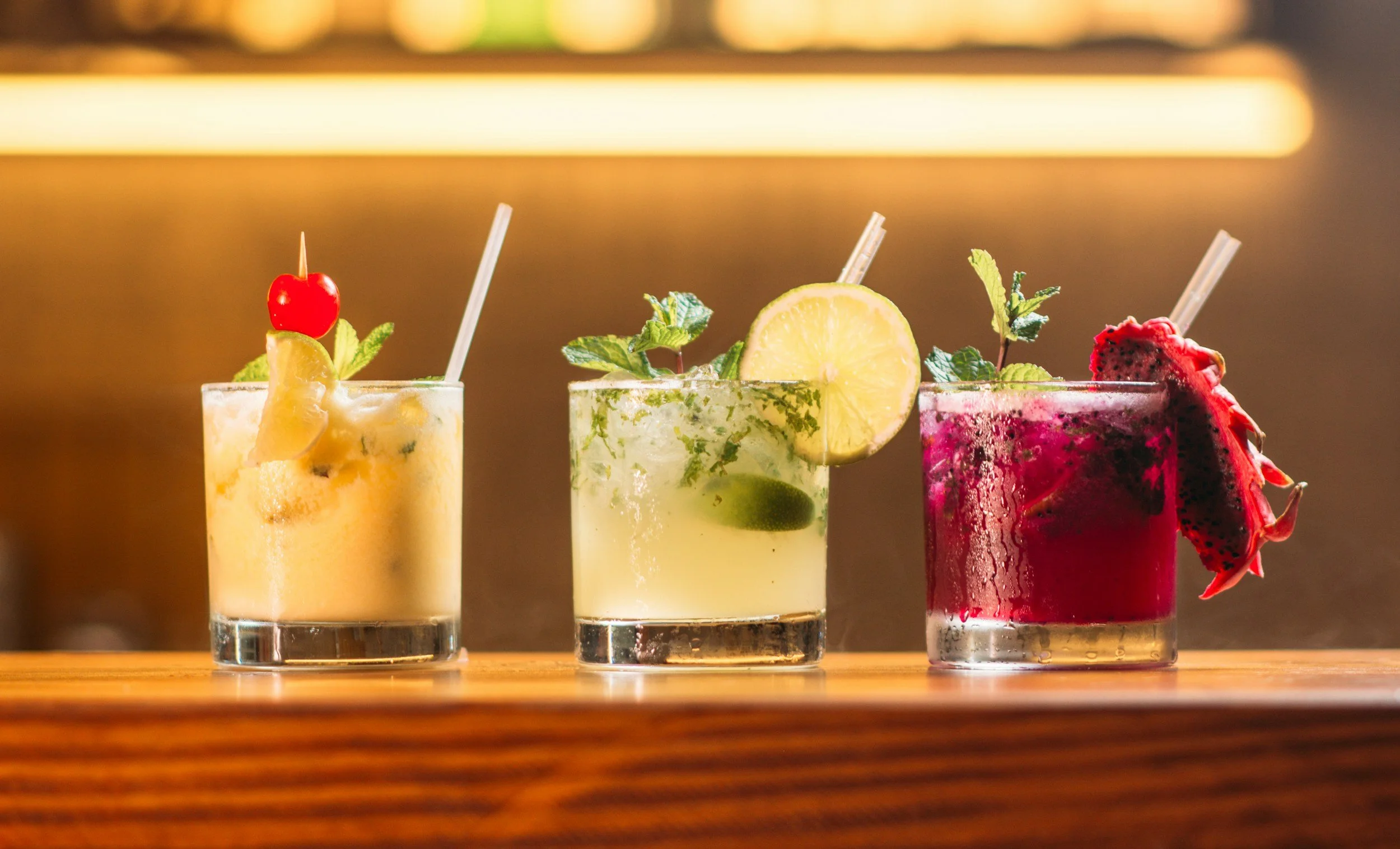
Here's how we got here. Excise duty on spirits is indexed twice a year, in February and August, in line with the consumer price index. From 2 February 2026, the Australian Taxation Office confirms the rate rose again, from $105.98 to $107.99 per litre of alcohol. That's not a headline-grabbing one-off hike. It's the routine, quiet kind, the sort that doesn't generate much outrage because no single increase looks dramatic on its own. Multiply it out over a decade of biannual rises, though, and the cumulative effect on shelf price is significant.
What makes the current settings feel particularly pointed for distillers is the contrast with beer. The federal government has frozen indexation on draught beer excise for two years, from August 2025 through to August 2027. Spirits were left out of that freeze entirely. So a pub pouring a schooner gets some relief on the way through, while the same venue pouring a gin and tonic or a spiced rum doesn't. Spirits & Cocktails Australia has been vocal about the disparity, arguing that spirits are taxed more heavily than beer or wine to begin with, and that a tax rising every six months regardless of cost-of-living pressure is a structural problem, not a policy quirk.
For an Australian craft distillery, this isn't an abstract policy debate. It shows up directly in the maths of every bottle sold. A brand can absorb rising input costs for a while through efficiency, but excise isn't a cost you can engineer around. It sits on the product regardless of how well it's made, how efficiently it's distilled, or how much margin the brand is willing to give up. Add GST on top and roughly 60 per cent of what a customer pays at retail for a bottle of spirits is tax of one kind or another. That's the affordability problem in plain terms: it's not that Australian spirits have got more expensive to make, it's that the layer of tax sitting on top of them keeps climbing on a schedule nobody in the industry controls.
It also lands at a moment when the category has never been more crowded. The Australian Distillers Association now counts more than 400 member distilleries across the country, a genuinely remarkable expansion from a category that was a handful of whisky producers little more than fifteen years ago. More competitors, thinner margins, and a tax bill that rises regardless of trading conditions is not a comfortable combination for any individual brand, and it's a big part of why we're seeing more founder-led distilleries treat export seriously, rather than as a nice-to-have once the domestic business is established.
There is one piece of genuine relief in the current settings, and it's worth distillers actually knowing about rather than assuming it doesn't apply to them. The excise remission scheme allows eligible alcohol manufacturers a full refund on the first tranche of excise paid each year, currently capped at $350,000, rising to $400,000 for goods entered into the domestic market from 1 July 2026. For a genuinely small or early-stage distillery, that remission can offset a meaningful share of the tax burden. For anyone scaling past that threshold, though, it stops being much help at exactly the point growth starts to matter most.

Which is where export becomes less of an aspiration and more of a practical hedge. Australian government support for export-focused distillers is real and specific, not just goodwill. Austrade's Export Market Development Grants program reimburses eligible small and medium exporters for up to 50 per cent of qualifying promotional expenditure, covering things like trade show attendance, overseas representation, and marketing material built specifically for international markets. It's not free money for the asking; there's an eligibility and application process, and the reimbursement structure rewards businesses that treat export as a genuine, planned activity rather than an occasional overseas trip. But for a distillery watching its domestic tax bill climb every six months regardless of how well the local market is performing, a market where the tax settings are different, and where a government program is specifically designed to subsidise the cost of getting a foot in the door, is a rational place to put growth energy.
None of this means the domestic market stops mattering. Cellar doors, function venues, and the relationships built with local bottle shops and on-premise venues remain the foundation most craft distilleries are built on, and no export market replaces that kind of direct connection with customers. What's changing is the calculation founders are making about where the next unit of growth effort goes. When the tax settings on the home market are fixed and rising, and a specific, funded pathway exists to build demand somewhere else, treating export as a genuine second leg of the business rather than an afterthought starts to look less like ambition and more like sound risk management.
We work with founder-led drinks brands on exactly this kind of decision, building the commercial architecture for growth whether that growth happens on an Australian shelf, through a distributor overseas, or both at once. If your brand is weighing up whether the next round of investment should go into local ranging, export development, or a mix of the two, that's a conversation worth having with real numbers on the table rather than gut feel.
FAQ
Q: Why does Australian spirits excise rise even when the cost of living is already tight?
A: Because it's indexed automatically twice a year against the consumer price index, a mechanism introduced under a previous government and left in place ever since. There's no annual review or discretionary decision involved, it happens on schedule regardless of broader economic conditions.
Q: Is beer taxed the same way as spirits in Australia?
A: No. Draught beer excise has been frozen for two years, from August 2025 to August 2027. Spirits were excluded from that freeze and continue to be indexed twice yearly.
Q: How much of the price of a bottle of Australian gin or whisky is actually tax?
A: Industry figures from Spirits & Cocktails Australia put it at around $32 on a standard 700mL bottle at current excise rates, with GST on top of that.
Q: Is there any relief available for smaller distillers?
A: Yes. The excise remission scheme gives eligible manufacturers a full refund on the first $350,000 of excise paid each year, rising to $400,000 from 1 July 2026. It matters most for genuinely small producers and becomes less useful once a brand scales past the threshold.
Q: What support exists for distillers looking to export instead?
A: Austrade's Export Market Development Grants program reimburses up to 50 per cent of eligible export promotion costs for small and medium businesses, covering things like trade show attendance and international marketing material.
If your brand is weighing up local ranging against export growth, or trying to work out where the next dollar of commercial investment should go, book a strategy call with MVRA. It's also worth running your brand through our retail readiness checklist before that conversation.
About the Author: Milun Spasov is co-founder of MV Retail Advisory, bringing practical experience in e-commerce and retail channel management to founder-led brands navigating growth across Australian and international markets. Read more on our About Us page.
